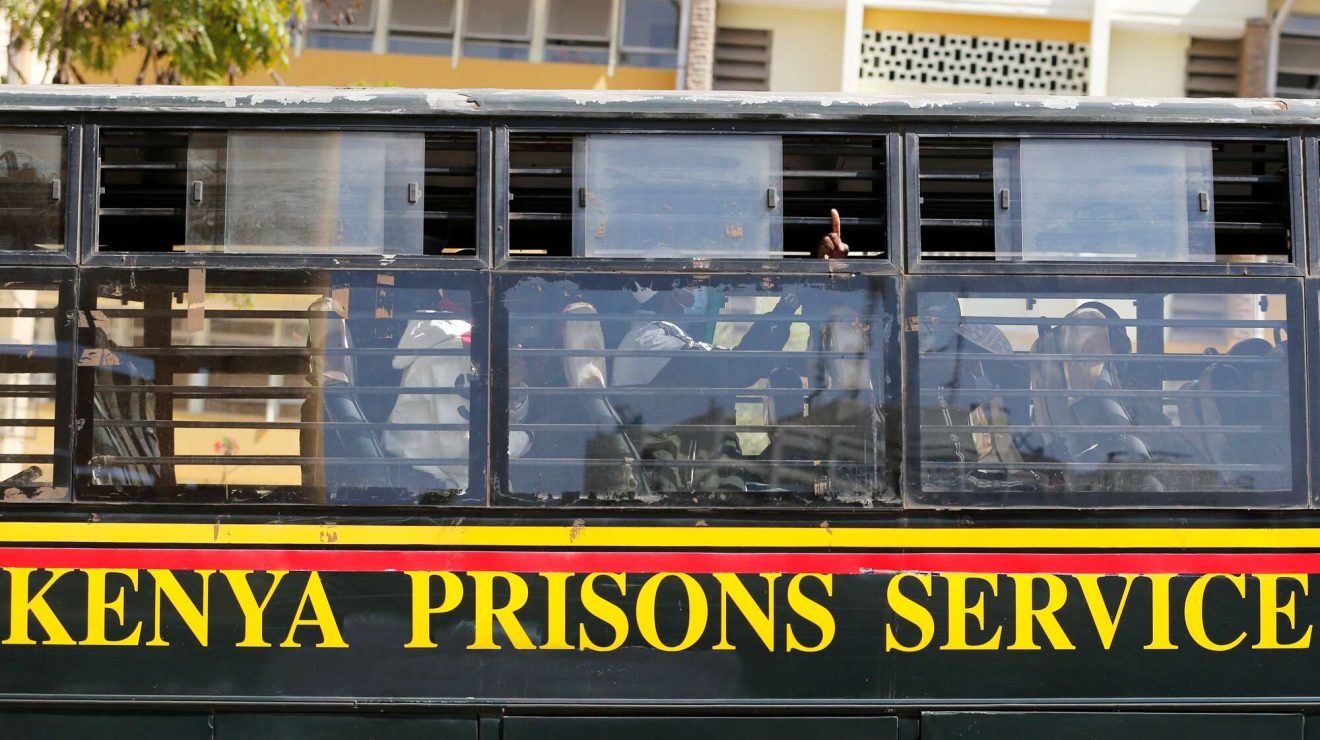
A new audit has cast doubt on how billions of shillings poured into correctional services are being used, revealing that many prisons across the country remain in poor condition, with overcrowding, crumbling buildings and stalled improvement projects still widespread despite rising budgets.
The findings, contained in a report by Auditor-General Nancy Gathungu, show that increased funding over recent years has not led to meaningful changes in prison infrastructure or living standards for inmates and staff.
The State Department for Correctional Services received Sh38.15 billion in the 2025/26 financial year, up from Sh34.39 billion in the previous year, based on figures from Controller of Budget Margaret Nyakang’o. Even with this rise in funding, the audit indicates that basic facilities remain in a deteriorated state.
According to the report, several correctional centres continue to operate under congested conditions, with leaking roofs, damaged sanitation systems, missing perimeter walls and no CCTV systems in place. In some facilities, food storage areas were found to be infested by rodents, while some staff members are housed in buildings that have already been declared unsafe for use.
The audit, which relied on inspections carried out in July and August 2025 across 23 prisons, concludes that the State Department is not meeting requirements set under the Occupational Safety and Health Act. The law obligates employers to provide safe environments for both workers and those in their custody, a standard that the report suggests is not being fully achieved in the correctional system.
Beyond physical infrastructure, the report raises questions about rehabilitation programmes, which are central to the purpose of correctional services. The Offender Services sub-programme had not begun by September 30, 2025, and there was no record of inmates accessing medical care or formal education during the review period, pointing to gaps in the delivery of essential services aimed at reform and reintegration.
Specific facilities highlight the scale of the challenges. At Nanyuki Main Prison, wards meant for capital offenders have no ceilings, creating security concerns, while kitchens require full roofing work and perimeter walls and watchtowers need urgent repairs. Staff housing at the facility is also in poor condition and needs extensive refurbishment.
At Meru Main Prison, multiple wards require new roofing, timber work and iron sheets, while many staff houses need renovation. Administrative offices, including those used by senior officers, also show signs of structural damage, reflecting long-term neglect of maintenance.
Conditions at Nairobi Medium Prison mirror similar issues. The facility has limited office space for staff, worn-out ward floors and leaking roofs during rainy periods. It also lacks a backup generator to handle power outages and does not have a CCTV surveillance system, raising concerns about security and operational efficiency.
Women’s correctional facilities in Nanyuki, Lang’ata and Embu are also affected. These prisons face overcrowding, lack dedicated childcare spaces and continue to suffer from declining infrastructure. Some of them also do not have basic perimeter walls, raising safety and management concerns.
In the coastal region, prisons in Kitui, Kwale, Kilifi and Malindi report failing drainage systems, lack of sewer connections and unfinished infrastructure projects despite contracts being awarded. In Kilifi, a sewerage project valued at Sh8.7 million remains incomplete, while in Malindi, a septic tank project worth Sh9.8 million had not started even after being allocated.
Other facilities face unique risks tied to their environment and design. At Manyani Prison, the absence of electric fencing exposes the institution to threats from wild animals. At Voi Remand Prison, poor sanitation and lack of sewer connectivity continue to pose health risks to inmates and staff.
Overall, the audit paints a picture of a correctional system struggling with long-standing structural problems, weak oversight and delays in project implementation. Despite steady increases in budget allocations, the report points to inefficiencies and gaps in accountability that continue to limit the impact of public spending on prison conditions.
The findings are expected to attract closer examination of how funds are managed within the correctional services, with questions likely to be raised over why increased allocations have not translated into visible improvements in infrastructure and essential services.






























